
Under the Goods and Services Tax (GST) framework in India, invoicing has transitioned from a routine administrative chore to a critical, time-sensitive compliance workflow. MSMEs (Micro, Small, and Medium Enterprises) must understand that a tax invoice is the primary source document used by tax authorities to track the flow of goods and services, as well as the accompanying tax liability. With the gradual phase-in of mandatory electronic invoicing (e-invoicing) since October 2020—which now encompasses any business with an aggregate annual turnover exceeding ₹5 crore in any preceding financial year—digital tools are no longer optional. Generating professional, compliant invoices in a structured, electronic format is a prerequisite to staying operational, maintaining healthy client relations, and preserving your corporate buyers' ability to claim their rightful Input Tax Credit (ITC). When B2B sales cycles run on credit, your invoice is the document that initiates payment, handles taxation, and updates ledgers simultaneously. Modern billing platforms act as compliance shields while speeding up cash collections. By establishing a solid invoicing framework, business owners protect their margins, eliminate transaction delays, and lay the groundwork for seamless tax audits. Having a centralized, cloud-enabled register also ensures that any corrections, credit notes, or tax debit notifications are synchronized without human typing, providing absolute billing accuracy and business security.
Crucial Compliance Challenges in GST Billing
For decades, traditional Indian merchants managed client accounts using manual billing books and paper-based cash registers. While simple, this outdated ledger workflow introduces severe compliance risks under the CGST, SGST, and IGST laws. Manual calculation of tax components across multiple product lines with varying GST tax slabs (5%, 12%, 18%, and 28%) often leads to decimal mismatches and formatting errors. For instance, billing an industrial electrical component under the 12% bracket instead of its statutory 18% HSN slab creates a tax deficit that the seller is legally obligated to pay, complete with interest charges under Section 50 of the CGST Act. These manual calculation errors accumulate over a month, causing discrepancies between sales registers and the final returns filed on the GST portal. Furthermore, audit trails are non-existent, leaving the business vulnerable during tax assessments. Without automated systems, the business owner must spend days reviewing physical sales books to locate errors, leading to administrative overhead and stress during compliance audits. This manual verification process slows down standard operations, leaving staff with less time to focus on customer satisfaction and growth.
Another major hurdle is matching the CGST (Central GST) and SGST (State GST) percentages for intra-state sales versus the IGST (Integrated GST) for inter-state transactions. If a business located in Maharashtra incorrectly charges CGST and SGST on a shipment sent to a buyer in Karnataka, the transaction is flagged by the GST Common Portal. The buyer will face credit blocks, and the seller must cancel the invoice, issue a credit note, and re-invoice with the correct IGST structure. Re-keying this invoice data manually into separate portals for e-invoicing and e-way bills slows down business operations, increases administrative costs, and delays client reconciliation. Manual billing also makes it difficult to track invoice revisions, leaving the ledger in a state of constant confusion and leading to disputed payments. B2B clients are highly sensitive to billing accuracy, as any error on the supplier's part directly delays their tax credits and cash recoveries, leading to arguments over outstanding amounts.
A professional tax invoice is not just a bill; it is a legally binding compliance statement that directly affects your cash flow and your B2B customers' tax benefits.
How to Implement Efficient Billing Workflows
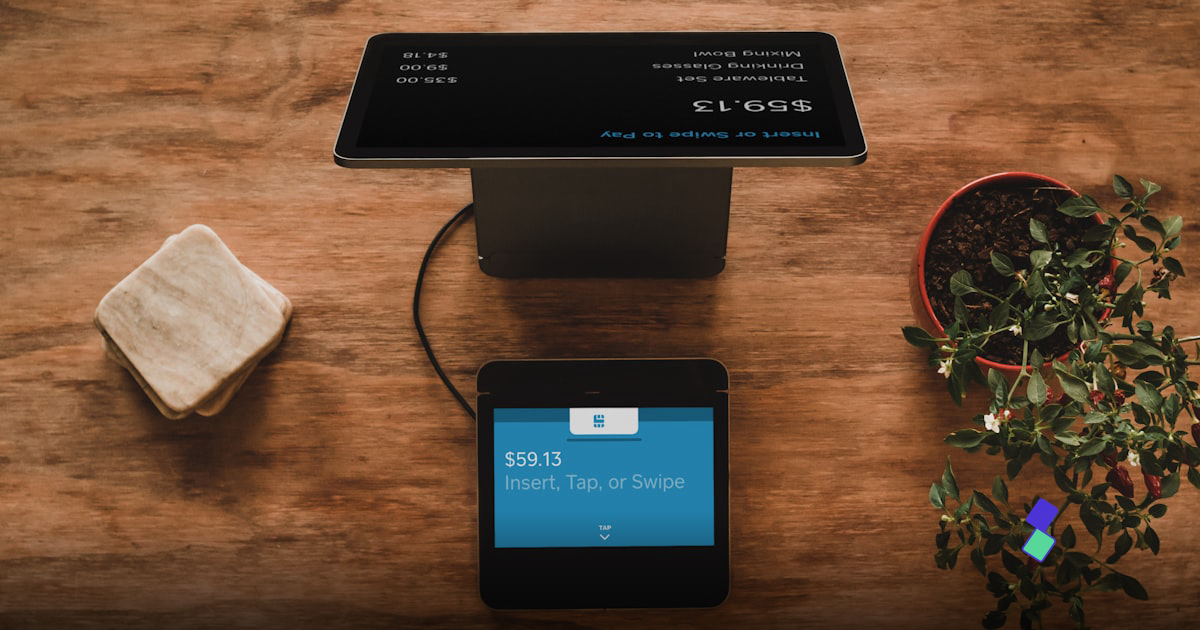
Establishing a modern digital billing process is straightforward when done step-by-step. First, build a digital product catalog with pre-coded HSN (Harmonized System of Nomenclature) or SAC (Services Accounting Code) classifications. This catalog should map every product or service to its correct tax slab, ensuring the system automatically calculates the taxes at checkout. Second, equip your billing counters with barcode scanners. Barcode scanning ensures that cashiers simply scan items to load prices and tax configurations, eliminating manual keyboard input errors and reducing customer wait times during peak hours. This ensures that invoice generation takes seconds, allowing the business to handle high volumes without administrative bottlenecks. A clean catalog also allows store managers to run promotional campaigns or adjust discount structures dynamically, knowing that the underlying tax math remains fully compliant and accurate. In wholesale centers, this speed helps clear counter queues and ensures that loading trucks can leave the warehouse without delay.
Next, enable digital payment links directly inside your invoice templates. In the Indian market, businesses that include a dynamic UPI QR code (supporting GPAY, PhonePe, and Paytm) or digital bank details (such as RTGS, NEFT, or IMPS virtual accounts) on their invoice PDFs experience a 45% faster invoice settlement rate. When B2B buyers receive an invoice via WhatsApp or Email and can pay immediately by scanning a QR code, the friction of payment processing is eliminated. This shifts your invoicing flow from a simple compliance document into an active, automated channel for cash collections. This automation ensures that payments are logged, matched, and reconciled against the specific invoice ID without human intervention. Releasing staff from manually matching bank deposits to outstanding invoices lets them focus on core operations and business development, accelerating overall growth. Over time, this digital payment trail creates a strong credit profile for the company, making it easier to apply for institutional business loans.
Common Invoicing Mistakes to Avoid
One of the most frequent invoicing errors made by MSMEs is generating bills without verifying the buyer's GSTIN (Goods and Services Tax Identification Number) beforehand. If a buyer's GSTIN is inactive, suspended, or incorrectly typed, the invoice will fail to upload to the GST portal or will populate under the wrong profile. Consequently, the transaction will not appear in the buyer's GSTR-2B statement. Without a match in GSTR-2B, the buyer is legally barred from claiming Input Tax Credit (ITC) under Section 16(2)(aa) of the CGST Act. This mistake leads to disputes, delayed payments, and strained client relationships, as B2B buyers refuse to clear outstanding balances until the supplier corrects the invoicing error and re-uploads the data. Re-uploading invoices requires issuing credit notes, which complicates the monthly return cycles. Verifying client tax credentials at the time of onboarding is a simple step that prevents these major disruptions.
Another common error is failing to maintain consecutive invoice numbering. Under Rule 46 of the CGST Rules, tax invoices must follow a consecutive, unique alphanumeric sequence of up to 16 characters for each financial year. Skipping invoice numbers, using duplicate series across different branches, or changing numbering formats mid-year triggers red flags on the GST portal during audits. Automated billing systems prevent this issue by maintaining a continuous, tamper-proof invoice sequence across all billing counters, providing clean audit trails for internal tax reviews and external tax officers. They also ensure that any cancellations or credit notes are linked to the original invoice, keeping the audit trail intact. Maintaining a rigorous document numbering sequence protects the business from arbitrary tax audits and establishes corporate credibility with large clients. It ensures that the tax department views your records as reliable and compliant.
- HSN/SAC Validation: Validate HSN codes and customer GSTINs at the time of entry to avoid GSTR-2B reconciliation issues for your buyers.
- Instant PDF Sharing: Dispatch professional invoice copies via WhatsApp or Email as soon as the bill is generated to speed up approvals.
- Unified Registers: Link cash registers and bank accounts to your invoice tracker to reconcile client ledgers automatically.
- Catalog Management: Keep prices, unit measures, and inventory levels synchronized across retail counters and warehouse shelves.
- Sequential Series: Maintain an automated, tamper-proof alphanumeric sequence for each financial year to ensure compliance with Rule 46.
- Multi-Branch Sync: Keep billing records from multiple stores or warehouses updated in a central cloud dashboard to monitor performance.
Achieving Long-Term Business Stability
In summary, building financial control starts at the billing counter. Modernizing your invoice management protects your business from tax penalties, improves buyer relationships, and makes securing capital easier. With Subcidys, you have a complete invoicing and billing platform to run your daily operations with confidence. By adopting automated billing systems, you establish the foundation for a transparent, efficient, and scale-ready business that can confidently navigate the complexities of modern Indian compliance. Investing in compliant billing software pays dividends in the form of clean audit records, faster receivables, and stronger client retention. Ultimately, professional billing is the engine that drives clean corporate growth and establishes your company as a reliable partner in the B2B supply chain.