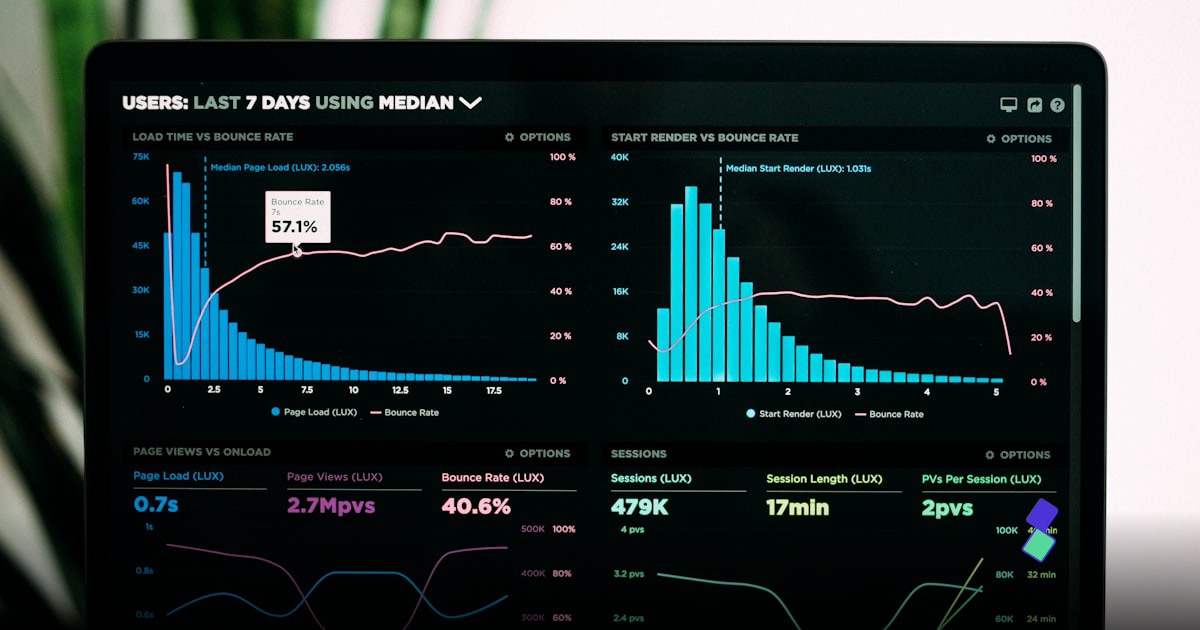

Artificial Intelligence is changing how small businesses manage accounting, financial planning, and risk management. Virtual CFO platforms and AI financial tools help business owners make informed, data-driven decisions without the overhead of a full-scale corporate finance department. Instead of waiting for monthly reports, owners can access real-time insights into profit margins, customer lifetime value, and cost structures. In today's fast-moving market, this visibility is key to managing cashflow and growing sustainably. By integrating AI features into daily accounting, MSME founders can spot trends, automate reconciliations, and receive alerts before cash shortages impact operations. Automated insights also make it easier to present clear financial plans to potential investors or banking partners, accelerating funding approvals. In India's fast-paced digital business ecosystem, leveraging intelligent advisor platforms allows you to pivot and optimize pricing structures faster than competitors relying on manual accounting systems, giving you a distinct advantage. It gives founders the security of institutional analysis at a fraction of the cost.
Why Small Businesses Need Virtual CFO Services
Most small businesses have access to basic bookkeeping, but lack the strategic analysis required for scaling. A Virtual CFO bridges this gap by analyzing profit margins, customer lifetime value, and cost structures. Without these insights, scaling can lead to overextended resources and working capital challenges. For example, growing sales without knowing your net margins can lead to cash shortages if your customer collection cycle is longer than your vendor payment cycle. Strategic financial analysis helps you identify high-margin products and focus resources where they generate the best return. It also helps you model pricing strategies that account for tax changes or supplier cost shifts. AI financial advisors can monitor these ratios daily, providing guidance on inventory optimization, credit extensions, and loan repayments, helping owners make strategic decisions. These tools provide continuous analysis that replaces manual oversight, freeing up management time for customer relationships and expansion.
Relying on monthly or quarterly review meetings means you are always looking backward. AI financial tools solve this by providing continuous, real-time insights into your key metrics, helping you spot trends and adjust operations immediately. If a supplier changes their pricing, the AI engine can calculate the impact on your gross margins and suggest updates to your pricing structure. This real-time visibility helps you protect your profitability in changing market conditions. It also ensures that any sudden drops in product margin are flagged immediately, allowing you to address issues before they affect your monthly results. This immediate visibility ensures that your business maintains profitability across all product ranges and outlets. It shifts your financial team from reactive reporting to proactive planning, keeping your business agile. Real-time metrics prevent month-end shocks and let store managers implement corrective actions immediately.
Strategic planning is no longer reserved for large corporations. Today, AI tools give MSMEs access to executive-level financial insights to guide their growth.
Integrating AI into Your Financial Planning
Adopting AI in your finance operations starts with centralizing your data. Connect your billing, banking, and inventory registers to a single platform. This allows the AI engine to build a complete model of your business activity and identify connections that manual tracking might miss. For instance, the system can spot seasonal patterns in product sales and suggest inventory adjustments, helping you manage stock levels efficiently. Centralizing your data also ensures that all records are updated in real-time, providing a consistent view of your financial health. This synchronization eliminates data silos, ensuring that store managers, accountants, and founders all work with the same accurate numbers. Accurate data is the foundation of any intelligent system, ensuring that generated insights are practical and reliable. Clean database structures ensure the advisor model maps historical trends correctly.
Once integrated, use these insights to optimize pricing, manage inventory levels, and negotiate better vendor terms. The system can run simulations to show how changing terms or adding products will impact your liquidity, helping you make informed decisions. This forecasting reduces the risk of cash shortages and helps you secure credit by providing clear financial reports for lenders. It also helps you build trust with partners by demonstrating a rigorous approach to financial planning. By using automated insights, you build a sustainable business that can navigate market shifts with confidence. Automated forecasting helps you identify the best times to invest in new equipment or expand your team, minimizing risk. It ensures that every expansion step is backed by solid numbers and realistic projections, protecting your capital. Having a reliable forecasting dashboard makes your company highly attractive to corporate investors and commercial bankers.
Signs Your Business is Ready for AI-Driven Finance
One sign that your business is ready for AI-driven finance is when your team spends too much time on manual data entry and invoice reconciliation. If your accountant spends hours matching bank transactions to billing registers, they are not focus on analysis. Automating these workflows reduces errors and releases resources for higher-value activities. Another sign is when you struggle to get clear, real-time reports on profitability by product, store, or client, making it hard to identify where your business is generating margins. Lacking this visibility can lead to unprofitable sales, dragging down your overall performance. AI platforms solve this by automating reports, giving you instant insights into performance. This clarity lets store owners discontinue low-margin items and focus on products that generate cash. Automated workflows keep the business lean and agile.
A third sign is when cashflow shortages happen despite growing sales. This cashflow mismatch indicates that your collections cycle is out of sync with your payables, requiring strategic analysis. AI financial tools can model your working capital cycles, identify bottlenecks, and suggest collection improvements. If your business is ready to grow but lacks the financial tracking to guide it, AI tools provide the visibility needed to scale with confidence. Regular monitoring helps you build a resilient, cash-efficient business that can support consistent expansion. AI modules also help you monitor key ratios like the current ratio and debt-to-equity ratio, ensuring that your company maintains a healthy financial profile for potential lenders. Maintaining these ratios ensures you are always ready for credit assessments or partnership reviews, speeding up approvals. This preparedness is key to seizing market opportunities instantly without facing administrative blockages.
- Trend Spotting: Let the AI engine analyze seasonal patterns in sales to optimize stock levels.
- Strategic Budgeting: Set departmental budgets and receive automated alerts on variances.
- Predictive Metrics: Monitor your working capital health score to anticipate financing needs.
- Automated Reporting: Monitor your working capital status and generate professional reports for lenders.
- Customer Profitability: Identify high-value clients and optimize credit terms based on payment histories.
- Pricing Modeling: Simulate price adjustments across product lines to verify the impact on net margins.
Navigating Business Growth with AI
Integrating strategic AI features into your business gives you a clear path to scale. It helps you manage risks, improve margins, and build a creditworthy profile. Subcidys provides the tools to make data-driven decisions every day. By automating routine financial tracking, you can focus on building your business with confidence, knowing your financial planning is guided by real-time data. Embracing AI finance tools is a strategic choice that positions your business for sustainable, high-margin growth. It transforms your finance desk from an administrative support team into an active driver of corporate value. Ultimately, AI enables small businesses to play at the same level as large enterprises, combining flexibility with data-driven strategy. With Subcidys, you have the technology to lead the market.