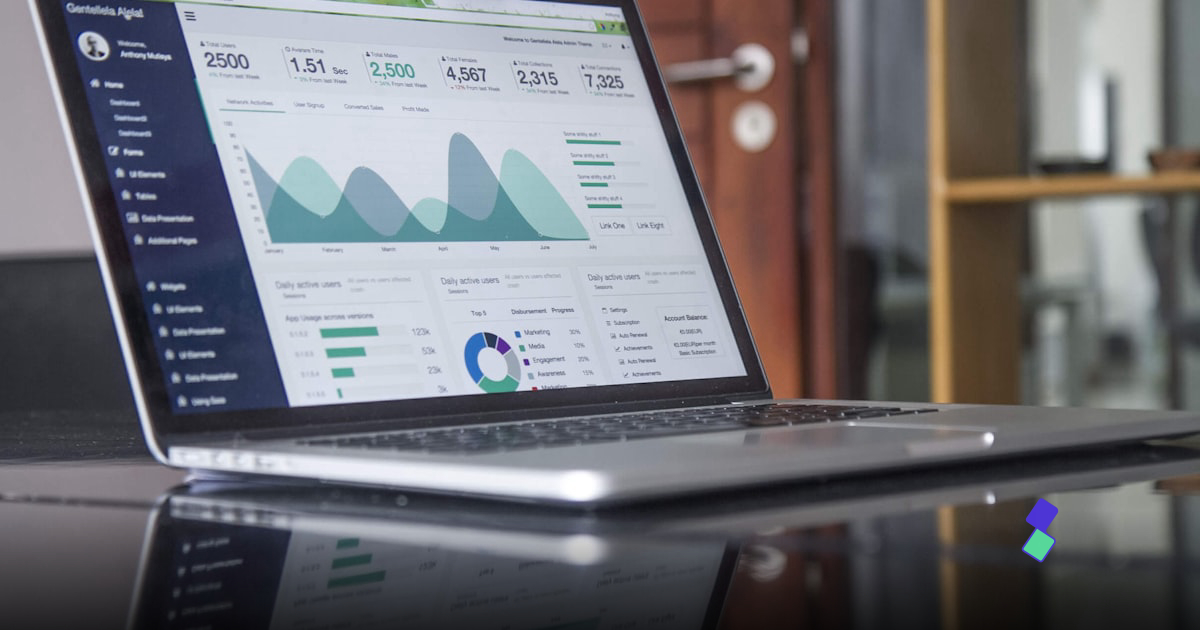

Maintaining consistent working capital is the primary operational challenge for small businesses in India today. While book profitability reflects the financial health of an enterprise on paper, liquidity determines its daily survival and growth capabilities. An automated cashflow dashboard helps business owners visualize accounts receivable, accounts payable, and liquid bank balances in real-time, preventing sudden working capital gaps and enabling strategic decisions. Relying on weekly or monthly spreadsheet summaries means you are making decisions based on historic information, which is a dangerous practice in volatile market conditions. With real-time cashflow dashboards, MSME founders can monitor exactly where their capital is deployed and adjust credit terms to ensure they have enough cash to cover expenses and seize market opportunities. Proper visibility reduces the reliance on expensive short-term financing and ensures the business remains stable during seasonal downturns. In India's business landscape, cashflow leaks often happen due to mismanaged credit cycles, making real-time visibility an absolute necessity for survival. By understanding cash inflows and outflows, business owners can maintain stability and plan for consistent growth. Establishing systematic financial controls builds long-term operational health and makes it simpler to secure competitive banking products.
The Hidden Risks of Cashflow Blindspots
Many MSMEs operate under the assumption that book profitability translates directly to cash availability. However, a business can be highly profitable on paper while struggling with liquidity due to delayed accounts receivable. When B2B client payments are delayed beyond the standard 45-day threshold mandated by the MSMED Act, it directly affects your ability to purchase raw materials, pay staff wages on the 7th of the month, and cover monthly utility bills. This delay cascades down the supply chain, impacting supplier relationships and leading to production stoppages. In worst-case scenarios, prolonged working capital shortages can force a profitable company into insolvency. Identifying these bottlenecks early requires continuous monitoring of cash collections, customer credit ratings, and aging accounts. Without automated tracking, outstanding receivables can accumulate unnoticed, leading to a sudden cash crisis that halts business operations. Many founders find themselves scrambling for high-interest loans simply because they failed to track their debtors' repayment timelines, which drains profitability. This lack of cash tracking leaves companies vulnerable to unexpected market contractions or supplier pricing updates.
Without a clear cashflow dashboard, tracking which clients owe money and for how long is difficult. Relying on manual spreadsheets introduces errors, leads to missed invoices, and limits visibility to historical data. Real-time cashflow visibility lets you identify bottlenecks and adjust credit terms before they impact operations. For example, if you notice a client consistently pays after 60 days despite 30-day terms, you can adjust their credit limit or require partial upfront payment. This proactive management prevents cash from being locked up in receivables, keeping your cash cycle short and efficient. It also helps you identify your most reliable clients and offer them favorable terms, building long-term business partnerships. In the Indian manufacturing and wholesale sectors, this strategic management of receivables is what separates growing companies from those that remain stuck in perpetual liquidity struggles. Having clear metrics ensures you are always ready to address capital needs before they disrupt business. It also provides the analytical backup needed to request better terms from your commercial suppliers.
Profit is sanity, cash is reality. In the MSME ecosystem, daily operational liquidity is the true measure of a company's financial health and stability.
Practical Methods to Boost Cash Inflow
Improving liquidity requires active management of both inflows and outflows. Start by structuring client payment terms clearly, specifying penalties for late payments and offering modest discounts (like 1% or 2%) for early settlement within 10 days. Next, establish a system for sending polite, automated payment reminders before invoices reach their due date. This keeps your bills at the top of your customers' payment queue. It is also helpful to establish automated escalation processes for overdue invoices, moving from gentle reminders to structured collection calls as needed. This systematic approach ensures collections are managed consistently without requiring hours of manual work. Setting up clear channels for electronic payments, such as UPI and net banking, also helps speed up collections, making it easy for customers to settle bills instantly from their mobile devices. Simple transaction paths encourage buyers to pay quickly, lowering late payment rates. Providing multiple payment gateways ensures clients can complete transactions using their preferred payment method.
Additionally, review your inventory turnover rate. Excess stock sitting in a warehouse represents locked-up working capital. By syncing stock levels with active invoice orders, you release cash that can be deployed to higher-margin business activities. On the payables side, negotiate favorable terms with suppliers, matching payment dates to your collection cycle where possible. This alignment ensures you are not paying suppliers before you collect from clients, minimizing the need for expensive short-term financing. Reconciling your accounts weekly ensures that any double-payments or bank charges are identified immediately, keeping your cash calculations accurate. Managing cash outflows carefully ensures that your business maintains a positive net cash flow position, which is essential for sustaining growth and securing banking credit. A positive cash flow profile gives you leverage when negotiating credit lines with banks or vendor networks. Reinvesting this free cash back into product development or sales outreach compounds your market strength over time.
Warning Signs of a Cashflow Crisis
A key warning sign of a cashflow crisis is an increasing DSO (Days Sales Outstanding) metric. If it takes your business 65 days to collect cash but you must pay suppliers in 30 days, your working capital gap is widening. Monitoring this metric weekly allows you to spot trends and adjust collections before the gap becomes unmanageable. Another warning sign is frequent reliance on short-term overdrafts to meet routine payroll or utility expenses. While useful for emergencies, constant overdraft use indicates that your operational inflows are insufficient to cover fixed costs, requiring immediate adjustments to your business model. It also increases your interest expenses, reducing your net margins. When interest costs consume a significant portion of your operating cash, it leaves little room for capital reinvestment or business development, slowing down overall expansion. It creates a cycle of debt that is difficult to break without restructuring.
High inventory days are also a critical warning sign. Stock sitting in a warehouse represents cash that cannot be used for operations, leading to cash shortages. If your inventory turnover rate drops, it means cash is being converted into static stock rather than cash inflows. Implementing real-time inventory tracking and linking it to sales orders prevents excess ordering and releases working capital. By monitoring these warning signs on a unified dashboard, business owners can make adjustments before a cash shortage impacts operations. Regular monitoring provides the peace of mind needed to focus on growth and product quality. In retail and distribution, having the right cash-to-stock balance ensures that you are always ready to satisfy market demands without overextending your financial resources. This balance keeps your business cash-rich and operationally agile. Proactive warnings prevent emergency financing setups, saving interest expenses and keeping margins high.
- Aging Receivables Analysis: Categorize outstanding bills into 30, 60, and 90-day buckets to target collections efforts.
- Automated Reminders: Send automated reminders via WhatsApp and Email to reduce late payments without straining client relations.
- Operating Capital Buffer: Maintain a liquid cash reserve equal to at least two months of operational expenses.
- Expense Auditing: Categorize and audit business expenses weekly to identify unnecessary outflows.
- DSO Tracking: Calculate and monitor your Days Sales Outstanding monthly to verify collection efficiency.
- Supplier Alignment: Align your accounts payable schedules with payment cycles to minimize working capital gaps.
Leveraging Financial Health for Scale
In conclusion, financial control is the foundation of scale. With a clear, real-time dashboard, you can negotiate better vendor terms, maintain steady stock levels, and present a strong credit profile to lenders. Subcidys provides the tools you need to take control of your cashflow and build a sustainable, growing business that can weather market changes with confidence. By implementing cashflow tracking, you protect your business from cash crunches and build a solid foundation for long-term growth. MSME owners who prioritize cashflow visibility are better positioned to expand operations, secure institutional capital, and maintain profitability in competitive markets. Ultimately, cashflow visibility is the key to unlocking consistent scale and ensuring that every product release is backed by realistic liquid capital registers.